
Authentication, breaches and the fix in between
What the latest breach reports, attack campaigns and compliance changes mean for the way your team signs in, and how to put a second factor where it counts without slowing anyone down.
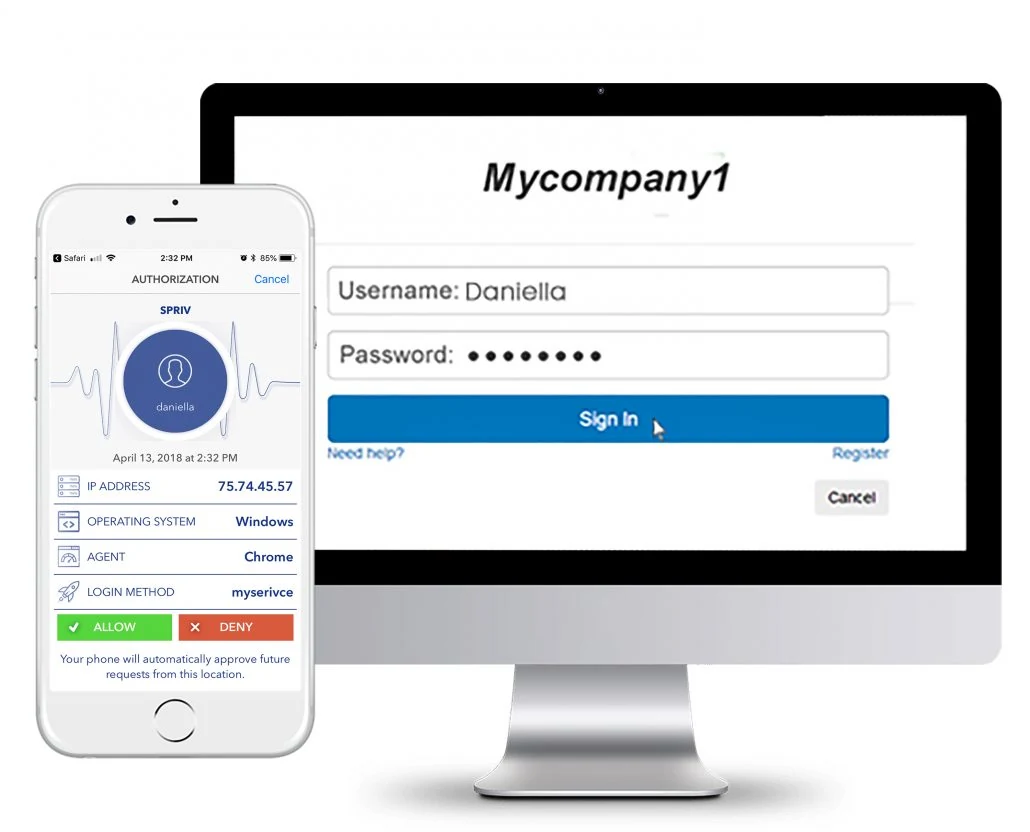
What the 2026 breach reports say about MFA
Verizon's 2026 DBIR and Sophos' 2026 Active Adversary Report point the same way: attackers go after identity, and missing or misconfigured MFA keeps letting them in.
Read the post →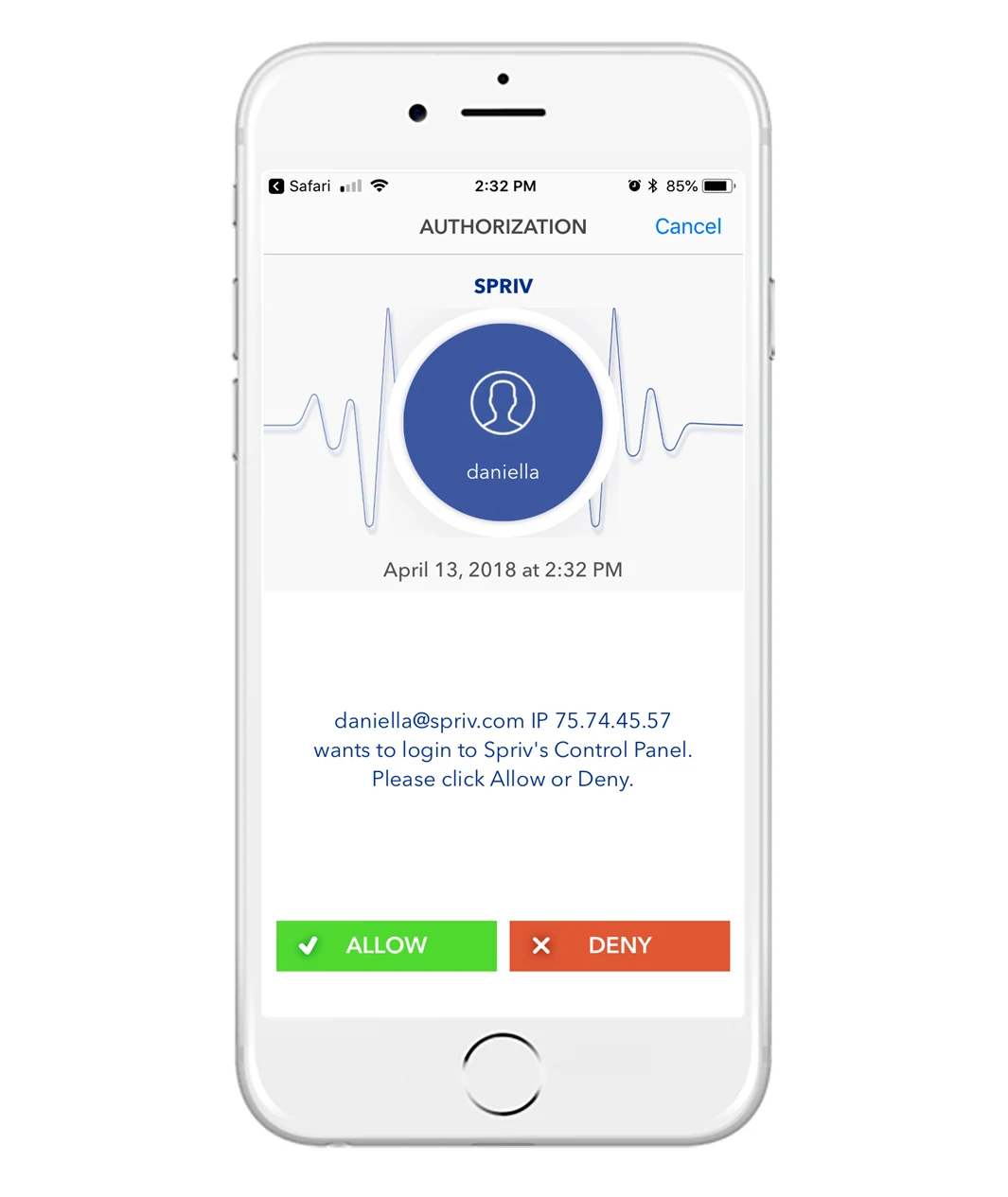
When the help desk becomes the attack surface: MFA resets and social engineering
The attacks on Marks & Spencer and Co-op in 2025 began with a phone call to a service desk, not a software exploit. The strongest MFA is only as strong as the process that resets it.
Read the post →
PCI DSS 4.0.1 and MFA: what requirements 8.4.2 and 8.5.1 demand now
The future-dated PCI DSS requirements have been mandatory since 31 March 2025. MFA is no longer just a remote-access or administrator control: it covers all non-console access into the cardholder data environment, from inside the network too.
Read the post →
Is MFA mandatory under HIPAA yet? The Security Rule update, October 2026
HHS proposed making MFA explicit for every system that touches ePHI in January 2025. Plenty of articles say it is already law. It is not, yet. Here is what applies today and why waiting is still a mistake.
Read the post →
Remote Desktop is still ransomware's front door: how to close it
Attackers love Remote Desktop because it is built in, trusted and usually guarded by nothing but a password. A practical hardening checklist, with MFA on the Windows login screen itself.
Read the post →
Why SSH and sudo need their own second factor on Linux
A critical sudo flaw is being exploited in the wild, and the xz backdoor came within weeks of shipping in mainstream sshd. Patching is necessary, but a second factor at SSH and at sudo limits what one stolen key or one bug can do.
Read the post →Go deeper on the topics
MFA your team will leave switched on
Two free users, two free servers, no credit card. Install in under five minutes.